Ambient vs Cold Storage: A Business Owner’s Guide for Saudi Arabia
Every growing business in Saudi Arabia eventually runs out of space. Whether you sell packaged goods in Riyadh, run a restaurant supply chain in Jeddah, or manage e-commerce fulfilment across the Kingdom, choosing between ambient and cold storage shapes your costs, your product quality, and your customer satisfaction. This guide compares the two so you can allocate inventory with confidence in 2026.
The core idea is simple. Not every product needs cooling, and paying to refrigerate shelf-stable goods is money wasted. Equally, storing perishables in warm ambient space is a fast route to spoilage and complaints. The skill lies in splitting your inventory correctly.
What Is Ambient Storage and When Does It Fit?
Ambient storage keeps goods at a controlled room temperature, usually between 18°C and 28°C, with good ventilation and no active refrigeration. It suits durable and shelf-stable products that tolerate warmth but still need shelter from dust, pests, and direct heat.
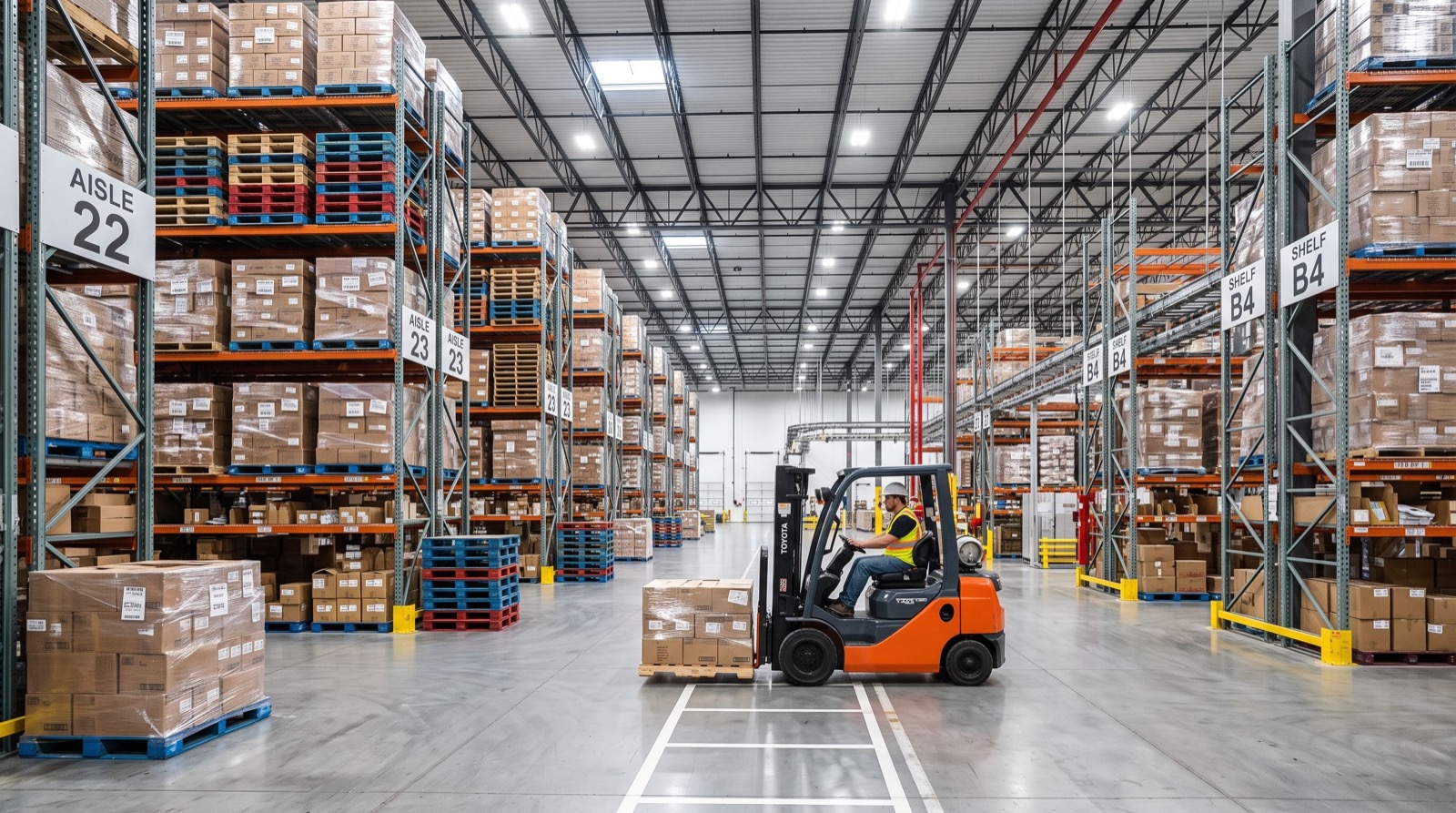
For most Saudi businesses, ambient space is the workhorse. It is affordable, scalable, and perfect for packaging, dry ingredients, textiles, and hardware. Reliable Ambient Storage gives you volume at a sensible cost while keeping your fast-moving stock organised and accessible.
Which Products Belong in Ambient Space?
Ambient works for canned goods, rice and flour, cleaning products, packaged snacks, cosmetics, furniture, and most retail packaging. If a product’s label does not demand refrigeration, it usually belongs here.
What Is Cold Storage and Why It Costs More
Cold storage covers everything from chilled units at fridge temperature to frozen units well below freezing. It exists to preserve perishable and temperature-sensitive goods that would otherwise degrade in the Saudi heat within hours.
Restaurants, pharmacies, importers, and food distributors rely on it daily. If you handle meat, seafood, dairy, or frozen ready-meals, a facility offering Frozen Storage protects your cold chain and keeps you compliant with food-safety rules.
Ambient vs Cold Storage: Side-by-Side Comparison
| Factor | Ambient Storage | Cold Storage |
|---|---|---|
| Temperature | 18°C – 28°C | -18°C to +8°C |
| Best for | Dry, shelf-stable goods | Food, pharma, perishables |
| Running cost | Low | High |
| Energy use | Minimal | Significant |
| Compliance load | Light | Strict cold-chain rules |
How to Split Your Inventory Efficiently
The smartest operators audit their catalogue and assign each product to the cheapest tier that still protects it. Follow this process to cut waste.
- Export your full product list with storage requirements from the label.
- Tag each item as ambient, chilled, or frozen.
- Estimate the volume each tier needs over a peak month.
- Rent ambient space generously and cold space precisely.
- Review the split quarterly as your range evolves.
This approach avoids the classic mistake of renting one large refrigerated unit and stuffing dry goods into it “just in case.” That habit inflates costs without protecting anything extra.
Cost Drivers You Should Budget For
Cold storage carries several costs that ambient space does not. Understanding them helps you negotiate and forecast accurately.
- Energy: refrigeration runs around the clock and dominates cold-storage bills.
- Monitoring: temperature logging and alarms add equipment and staffing overhead.
- Compliance: food and pharma storage must meet Saudi Food and Drug Authority standards.
- Insurance: perishable inventory usually needs higher coverage limits.
Saudi Arabia’s logistics ambitions under Vision 2030 have expanded cold-chain infrastructure significantly. You can review the Kingdom’s broader economic direction on the official Vision 2030 portal, and food-safety expectations through the Saudi Food and Drug Authority.
Seasonal Demand and How to Plan Ahead
Storage demand in Saudi Arabia is not flat across the year. Ramadan, national holidays, and back-to-school periods create sharp spikes for food and retail businesses, while summer heat pushes more inventory toward cold storage. Planning around these cycles keeps you from scrambling for space at the worst possible moment.
Book additional capacity before your busy season rather than during it. Facilities fill fast when everyone needs cold space at once, and last-minute rates are rarely favourable. A rolling twelve-month forecast, updated quarterly, lets you reserve the right tier early and negotiate from a position of strength.
Ambient goods offer flexibility here because they tolerate longer lead times and cheaper bulk arrangements. Cold inventory, by contrast, demands precision, so reserve exactly what your peak requires and no more. This discipline keeps your average cost per pallet low across the whole year.
Should Small Businesses Rent or Buy Storage?
For most small and mid-sized businesses in Saudi Arabia, renting wins. Building or buying refrigerated space ties up capital and saddles you with maintenance, energy, and compliance overhead. Renting converts those fixed costs into a predictable monthly expense you can scale up or down as demand shifts.
Only high-volume operators with stable, year-round cold-chain needs tend to justify owning their facilities. Everyone else benefits from the flexibility, shared infrastructure, and professional monitoring that a rented unit provides. Start rented, prove your volume, and revisit the decision only when the numbers clearly favour ownership.
Choosing the Right Provider in 2026
Not all facilities deliver the same reliability. Prioritise operators with backup power, documented temperature history, and responsive support. A cold-storage outage of even a few hours can destroy an entire pallet of stock, so redundancy matters more than a low headline rate.
When you shortlist candidates, work with trusted professionals who can show references, clear contracts, and proof of consistent temperature control. Ask for their uptime record and their process when a unit trends out of range.
Frequently Asked Questions
Can ambient storage replace cold storage in winter?
No. Even in cooler months, Saudi indoor temperatures rarely stay low enough to protect perishables. Cold storage maintains a guaranteed range regardless of season, which is exactly what food-safety rules require.
How much cheaper is ambient storage?
Ambient space typically costs a fraction of cold storage because it uses little energy. Splitting inventory correctly can cut your total storage bill substantially without risking any product.
Do I need both ambient and cold units?
Many businesses do. A mixed catalogue usually contains both shelf-stable and perishable goods, so renting the right amount of each tier is more efficient than forcing everything into one.
What happens if a cold unit loses power?
Reputable facilities have backup generators and alarms that alert staff immediately. Always confirm the provider’s contingency plan before storing perishable or high-value inventory.
Conclusion
Ambient vs cold storage is not a competition, it is a strategy. By assigning each product to the tier that protects it at the lowest cost, Saudi businesses control expenses while keeping quality high. Rent ambient space generously for dry goods, reserve cold storage for true perishables, and choose a provider with proven reliability. Get the split right in 2026 and your inventory, your margins, and your customers will all benefit.