Solar Panels in Sialkot: How Export Factories Slash Energy Costs in 2026
Sialkot runs on manufacturing. From surgical instruments to footballs and leather goods, the city’s exporters compete on razor-thin margins where energy is one of the biggest controllable costs. That is why installing solar panels in Sialkot has become a boardroom priority in 2026, not just a rooftop upgrade. For a factory burning through units six days a week, solar is less about being green and more about protecting competitiveness.
This guide is written for Sialkot business owners and plant managers who want to understand commercial-scale solar: sizing for load profiles, tariff arbitrage, and the payback that makes finance departments smile.
Why Commercial Solar Fits Sialkot’s Manufacturing Profile
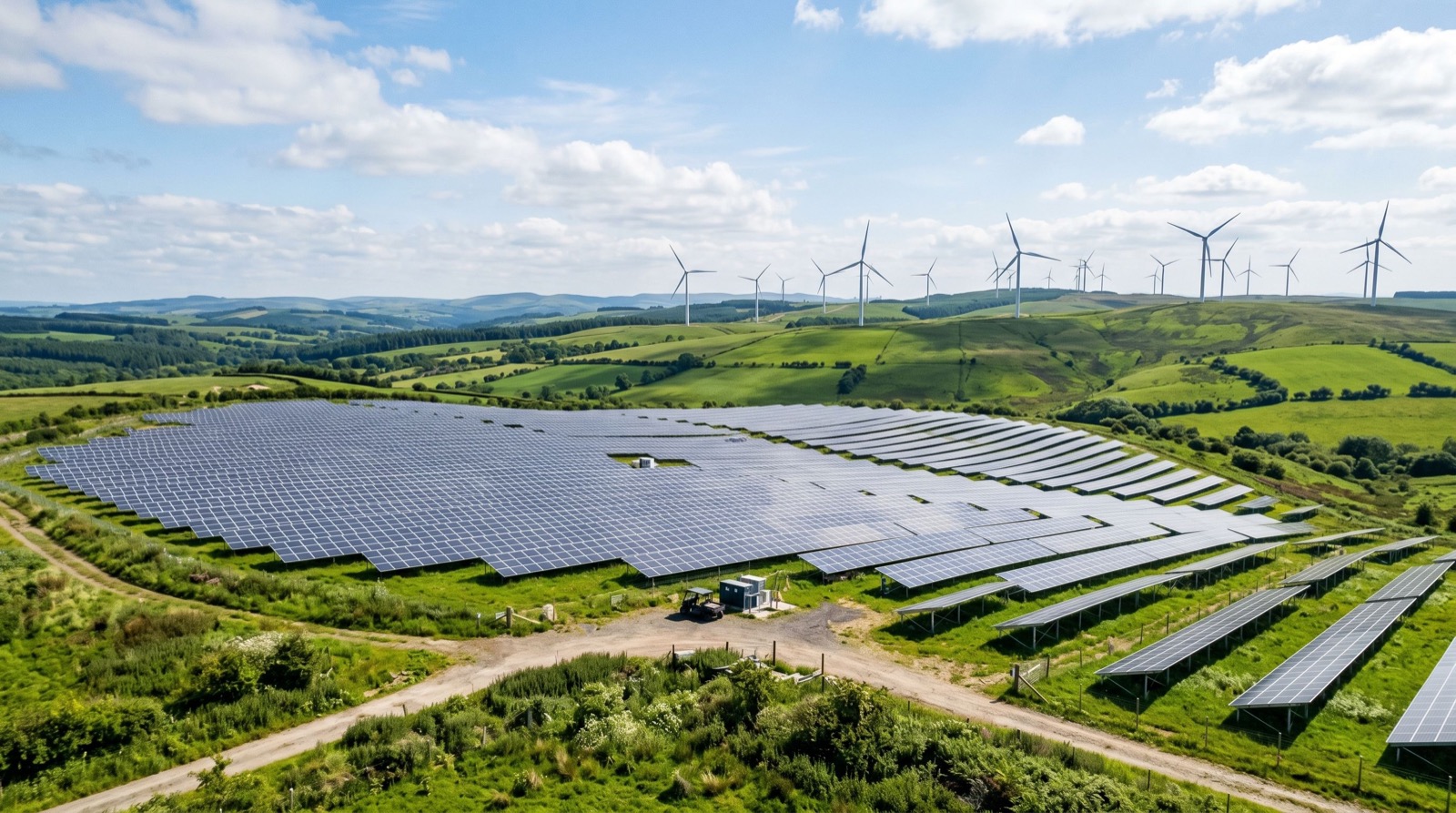
Factories consume most of their power during daylight hours, exactly when solar generation peaks. That daytime alignment makes industrial rooftops some of the best solar investments in the country. Global data from the International Energy Agency shows solar is now the cheapest source of new electricity in most markets, and Pakistan’s high commercial tariffs sharpen that advantage further.
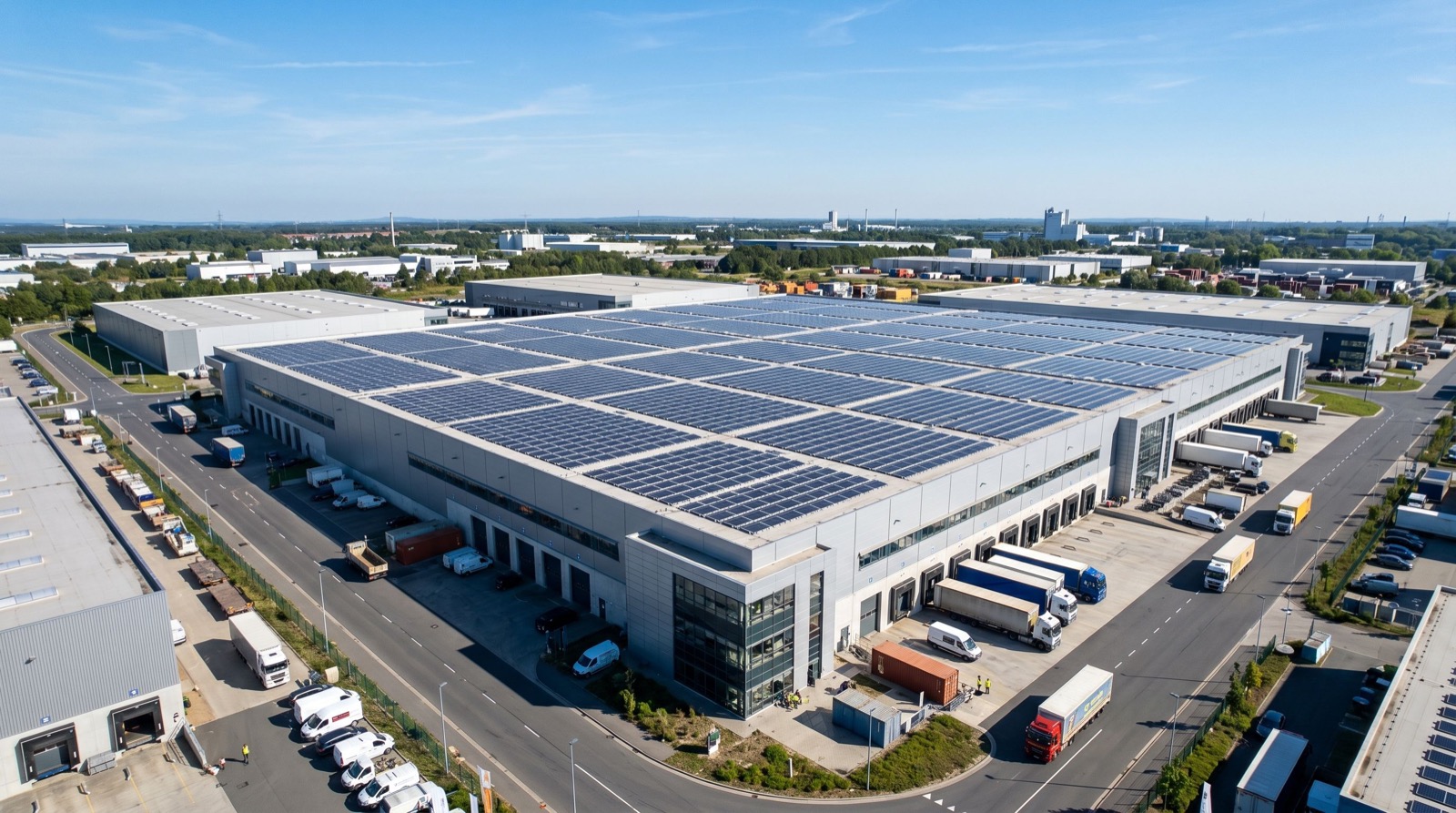
Large, flat factory roofs also mean plenty of unshaded space, so a well-designed array can offset a huge share of a plant’s consumption without touching production floor area.
Typical Sialkot Business Loads
- Surgical & instrument units: heavy CNC and grinding loads through the working day.
- Sports-goods factories: stitching, moulding, and lighting loads across two shifts.
- Leather & tannery operations: pumps, compressors, and process heat.
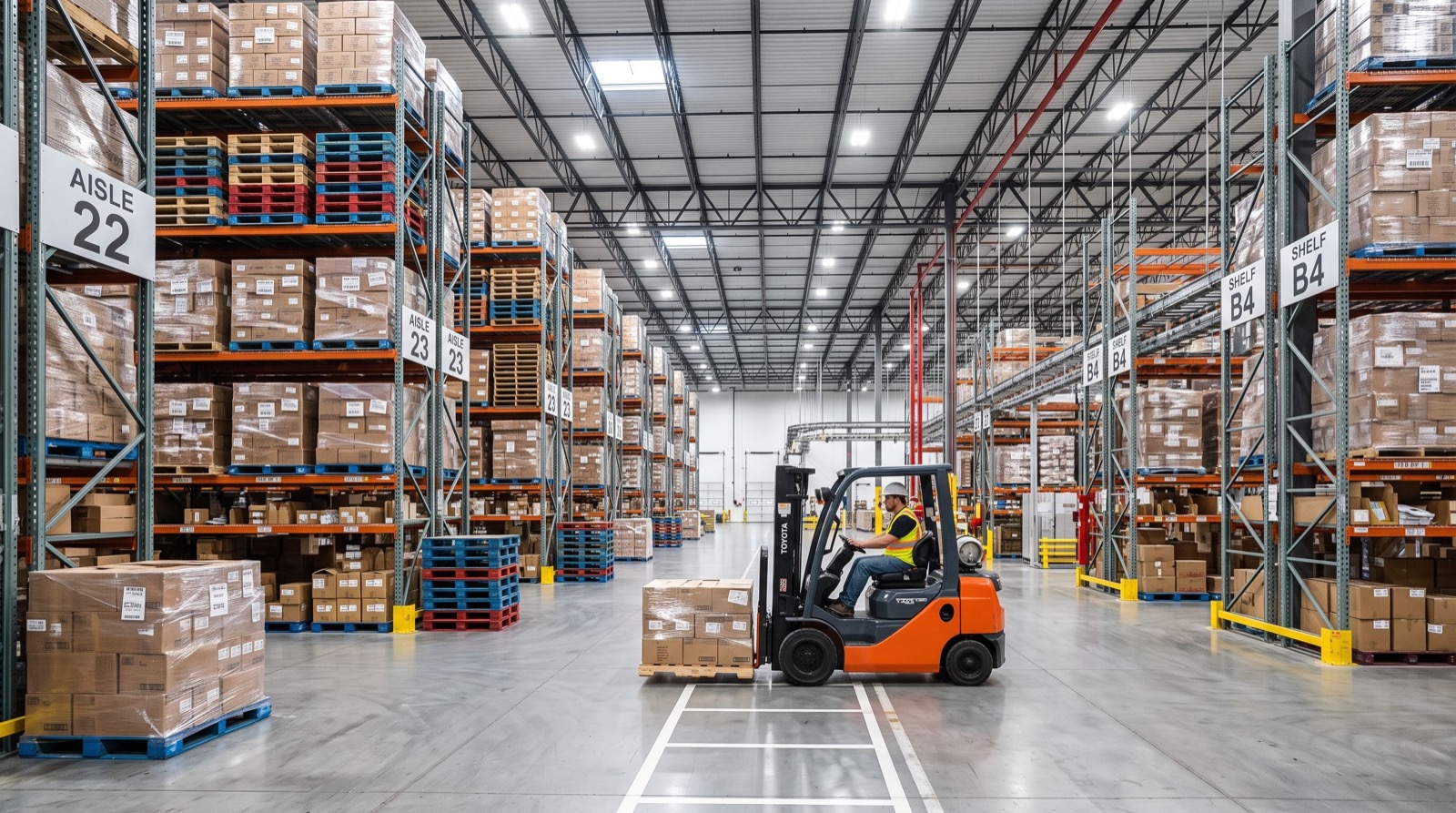
- Warehouses & offices: lighting, HVAC, and IT — ideal for offsetting with rooftop solar.
How Much Do Commercial Solar Panels in Sialkot Cost?
Commercial pricing benefits from economies of scale, so the per-kilowatt cost falls as the system grows. The table shows realistic 2026 turnkey ranges.
| System size | Indicative cost (PKR) | Roof area needed | Typical payback |
|---|---|---|---|
| 25 kW | 4.2M–5.0M | ~1,800 sq ft | 3–4 years |
| 50 kW | 8.0M–9.5M | ~3,500 sq ft | 3–4 years |
| 100 kW | 15M–18M | ~7,000 sq ft | 3 years |
These figures assume on-grid systems with net metering. Adding battery storage for critical process continuity raises cost but protects against costly production stoppages during outages.
What Is the Real Payback for a Sialkot Factory?
Commercial payback is often faster than residential because businesses pay higher tariffs and consume during peak sun. A 50 kW system offsetting Rs 900,000 of annual electricity spend can pay for itself in around three years, then deliver two decades of low-cost generation.
Five Steps to a Confident Commercial Decision
- Pull 12 months of electricity bills to map your true load profile.
- Commission a structural and shade survey of the roof.
- Size the array to daytime consumption for maximum self-use.
- Model payback with and without battery backup.
- Confirm net-metering eligibility and warranty terms in writing.
Working with experienced quality service providers ensures the structural loading, wiring, and protections meet industrial safety standards rather than residential shortcuts.
Net Metering and Grid Rules for Businesses
Commercial consumers on three-phase connections can apply for net metering and export surplus generation on non-production days such as Sundays. The buy-back framework is set nationally by the National Electric Power Regulatory Authority, and your installer should handle the application, meter change, and inspection.
For factories that run only single shifts, weekend export credits can meaningfully offset the following week’s consumption, improving the overall return.
Original Insight: Solar as a Marketing Asset for Exporters
Here is a lever many Sialkot exporters miss. International buyers increasingly demand proof of sustainable operations, and a solar-powered factory is concrete evidence for compliance audits and buyer questionnaires. In practice, a documented rooftop array has helped local suppliers win and retain European and North American accounts. Solar is not just a cost cut; it is a sales differentiator in 2026’s export market.
Comparing On-Grid, Hybrid, and Off-Grid for Industry
- On-grid: lowest cost, best ROI, but no backup during outages.
- Hybrid: keeps critical machinery and safety systems running through trips; higher cost but protects production.
- Off-grid: rarely ideal for factories due to large battery needs, but useful for remote units.
Businesses located near solar installation in Multan corridors and other industrial belts increasingly choose hybrid systems so a feeder trip never halts a critical export order.
Financing a Commercial System Without Draining Cash Flow
Not every factory wants to lock up working capital in a rooftop array, and they do not have to. Many Sialkot businesses now fund solar through bank green-financing lines or vendor instalment plans, structuring repayments so that monthly savings on the electricity bill roughly match the monthly finance instalment. In effect, the system pays for itself out of avoided energy spend from day one.
When comparing finance offers, look beyond the headline rate at the total cost of ownership: warranty coverage, monitoring, and service response times. A cheap system that sits idle for a week after a fault costs far more in lost savings than a slightly higher-priced package with fast local support.
Finance Options at a Glance
- Upfront purchase: best lifetime ROI, no financing cost.
- Bank green financing: preserves working capital, spreads cost over years.
- Vendor instalments: convenient, but compare the effective rate carefully.
Maintenance for Industrial Reliability
Industrial rooftops attract more dust and process residue than homes, so scheduled cleaning matters. A quarterly professional service, plus remote monitoring that flags underperforming strings, keeps a commercial array producing at spec. Downtime on a factory solar system is lost savings, so maintenance discipline directly protects ROI.
Frequently Asked Questions
How quickly do commercial solar panels in Sialkot pay back?
Most factory systems pay back in three to four years thanks to high commercial tariffs and strong daytime self-consumption, then generate low-cost power for over two decades.
Will solar interrupt my production during installation?
No. Professional installers stage the work and connect the system with minimal downtime, typically commissioning without stopping the production line.
Can solar power heavy machinery and compressors?
Yes. Correctly sized inverters handle motor start-up surges, and a hybrid design with storage can keep critical loads running through grid outages.
Is net metering worth it for a single-shift factory?
Absolutely. Surplus generated on off days and weekends is exported for credits that offset your next billing cycle, improving overall returns.
Conclusion and Next Step
For Sialkot’s exporters, solar panels in Sialkot are a strategic investment that cut costs, hedge against tariff hikes, and strengthen sustainability credentials with global buyers in 2026. The winning move is a professionally engineered, correctly sized commercial system. Book a factory energy audit and a written payback model today, and turn your rooftop into a competitive advantage.